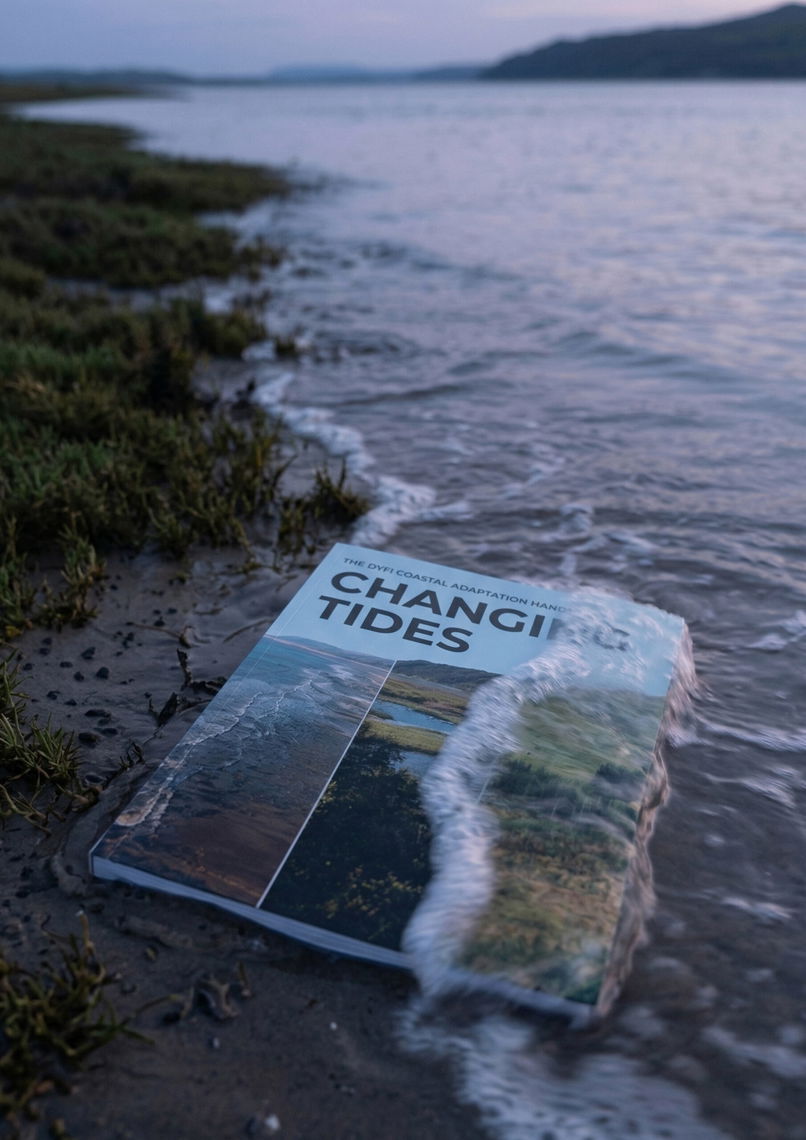
From conversation to coastline: designing resilience in the Dyfi Estuary

Some places stay with you long after you’ve left them. For us, the Dyfi Estuary is one of those places.
Over the past year, we’ve spent a lot of time there, working with RSPB and Tir Canol on Changing Tides, a project exploring how communities around the estuary can understand and prepare for a changing coastline.
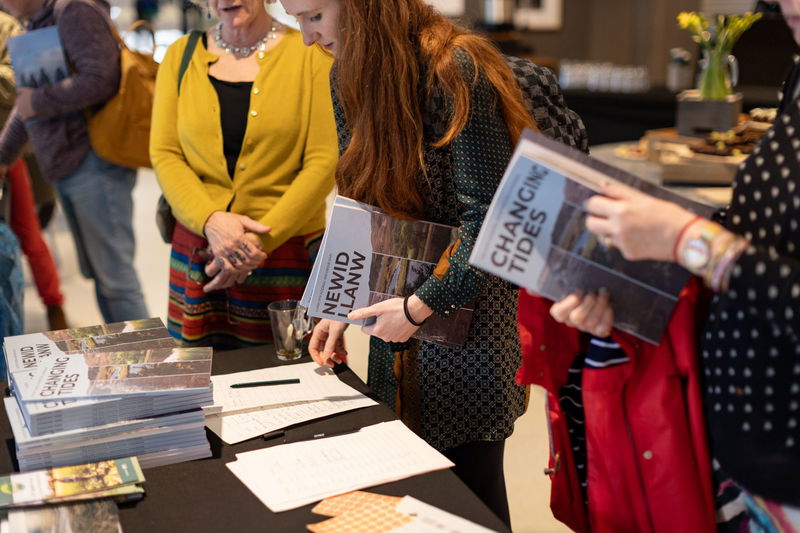
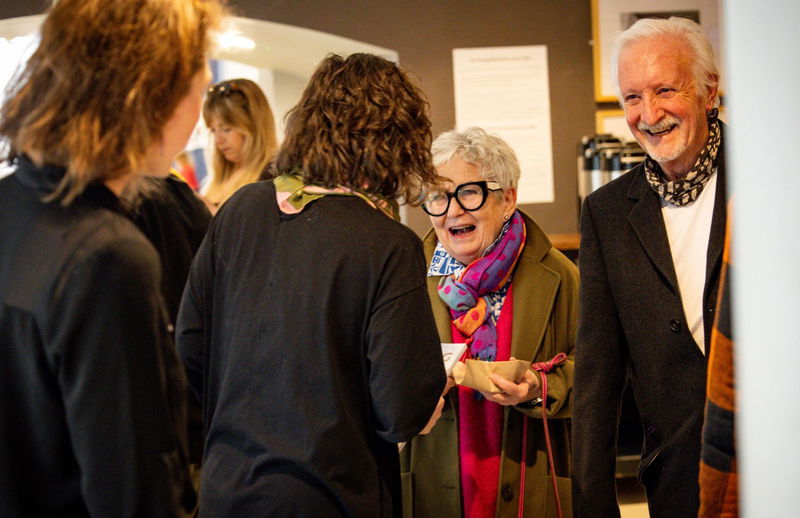
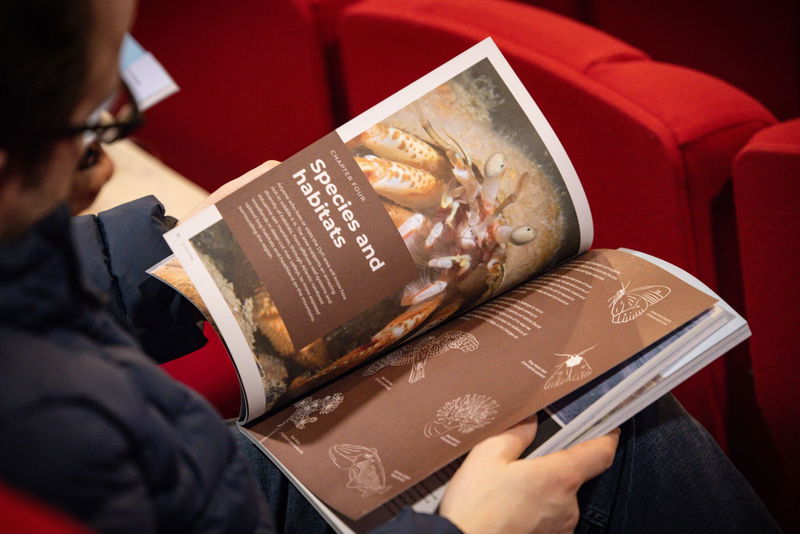
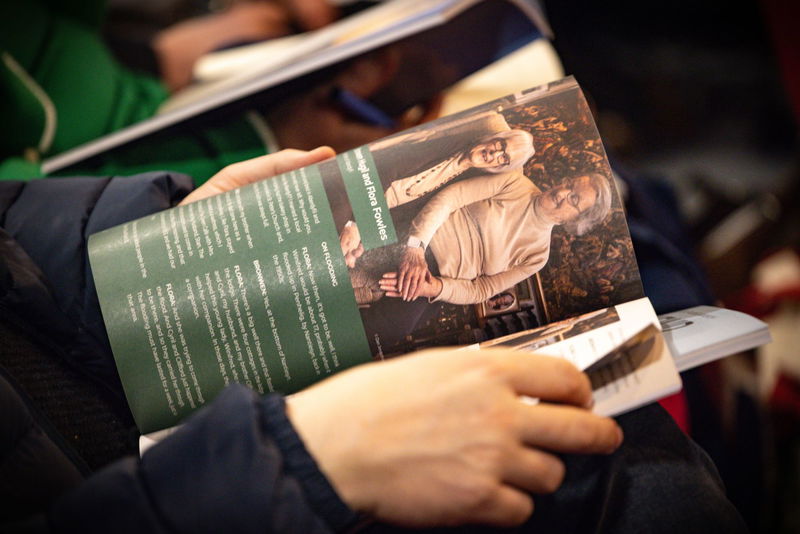
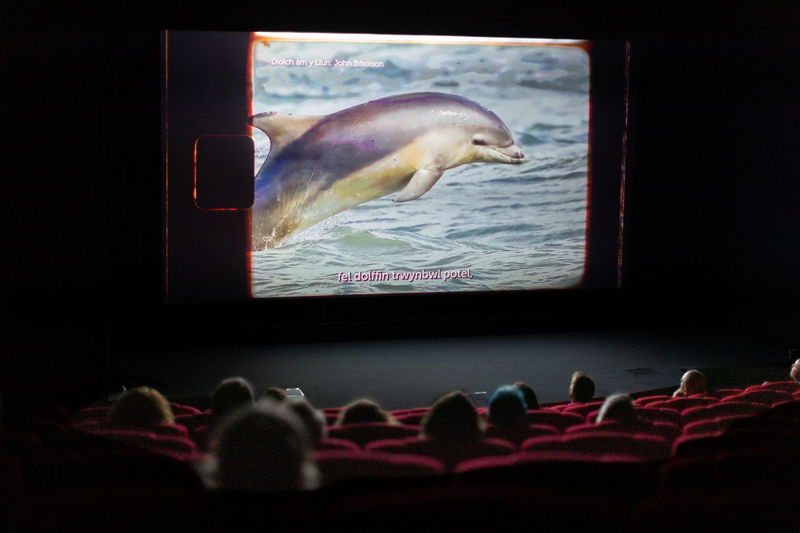
Last Friday, we joined partners and residents at Aberystwyth Arts Centre to launch the finished handbook and microsite. It brought together many of the people who had contributed to the project over the past 18 months, including community members, researchers, artists and environmental organisations.
But, like most meaningful projects, the real story isn’t the final output. It’s everything that happened along the way.
A coastline that will never stay still
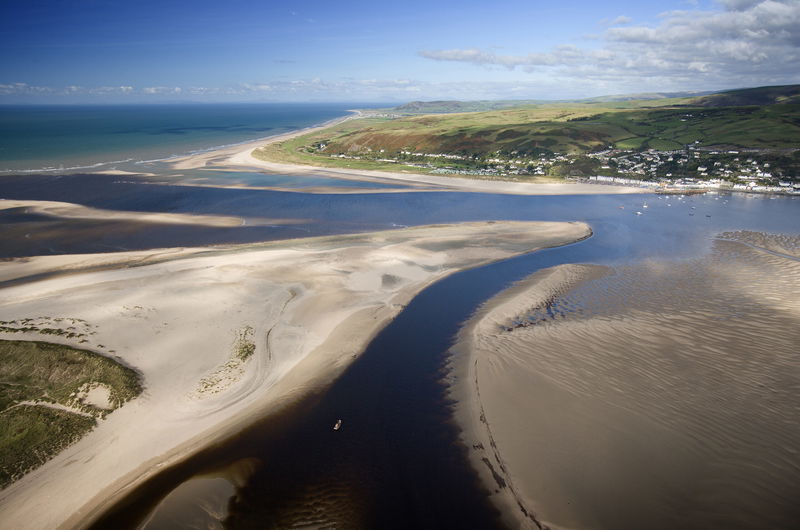
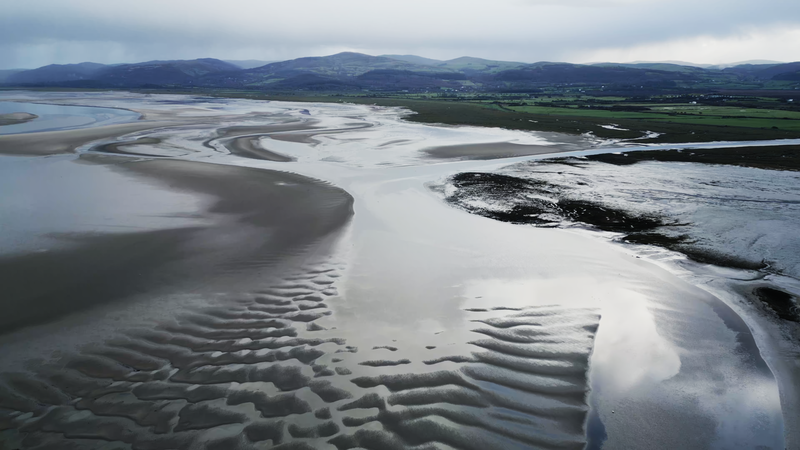
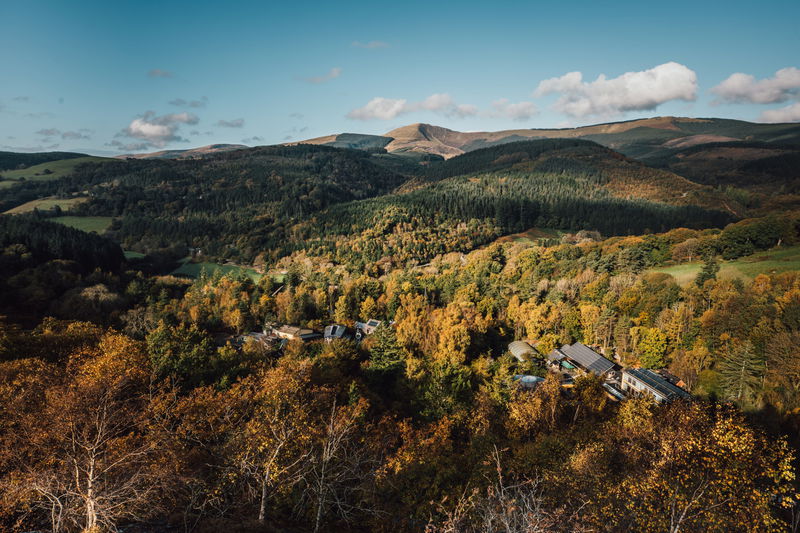
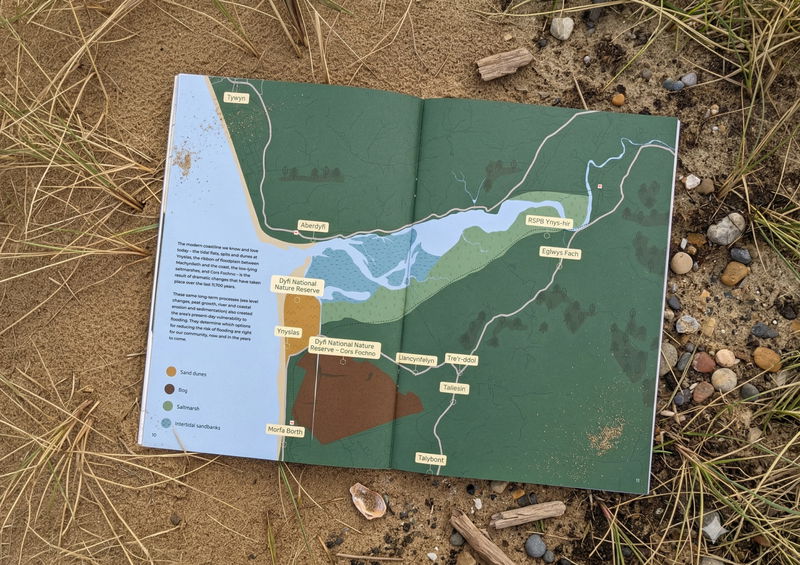
The Dyfi estuary is one of the most important landscapes in Wales. It sits within a UNESCO Biosphere Reserve and includes internationally recognised habitats such as Cors Fochno, the Ynyslas sand dunes and the RSPB Ynys-hir reserve.
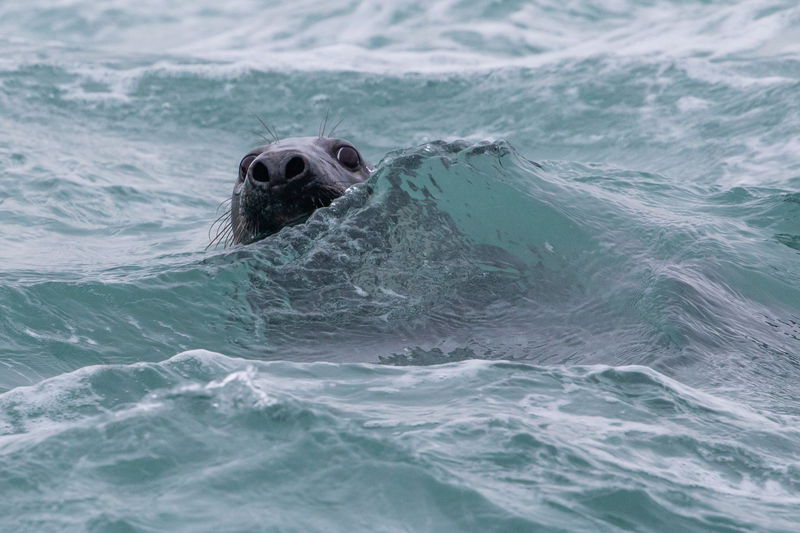
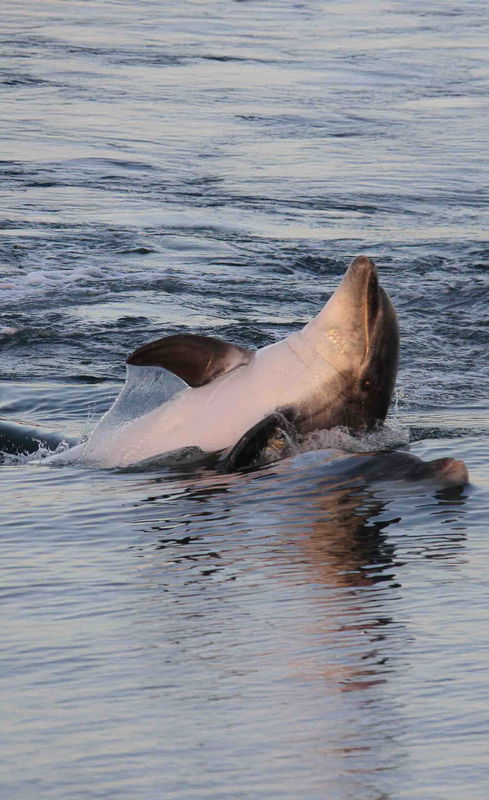
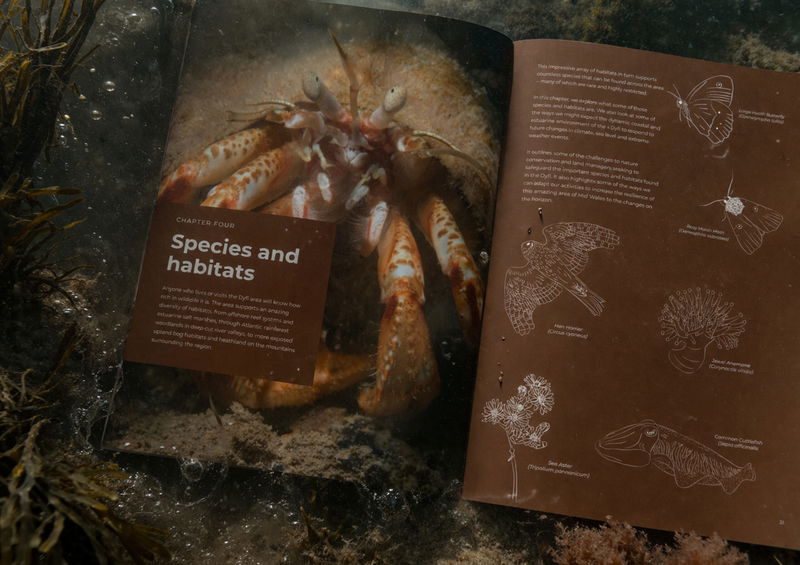
These habitats support an extraordinary diversity of wildlife, from rare butterflies and orchids to overwintering geese, dolphins and seals. The estuary’s salt marshes, dunes and peatlands also play a vital role in protecting the landscape itself, absorbing water, reducing wave energy and storing carbon.
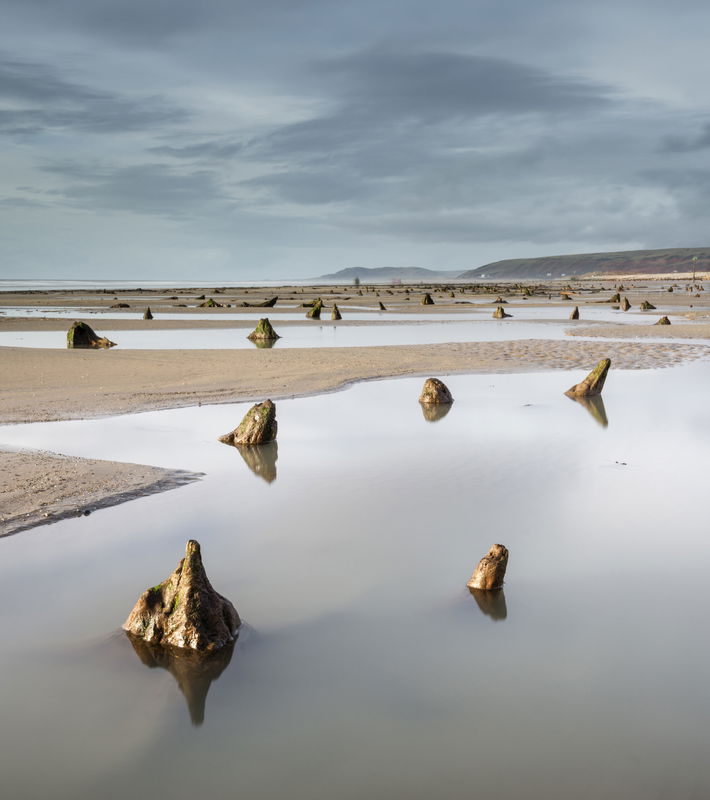
It’s also a landscape that has always been changing. The coastline we see today is the result of more than 11,000 years of shifting rivers, rising seas and migrating dunes (source: Changing Tides).
What’s different now is the pace of change.
Climate projections suggest sea levels along the Ceredigion coast could rise by 0.8 to 1.07 metres by 2075, while river flows in the catchment could increase by 30 to 70 per cent by the end of the century (source: Changing Tides).
For communities living around the estuary, these changes are not distant possibilities. They’re already part of everyday life.

Bringing different voices into the same conversation
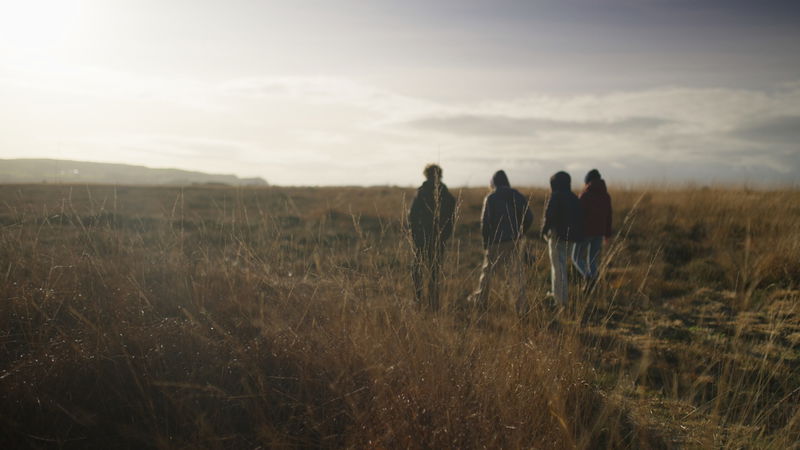
The Changing Tides project brought together people from across the community to explore what this future might look like and how they might respond.
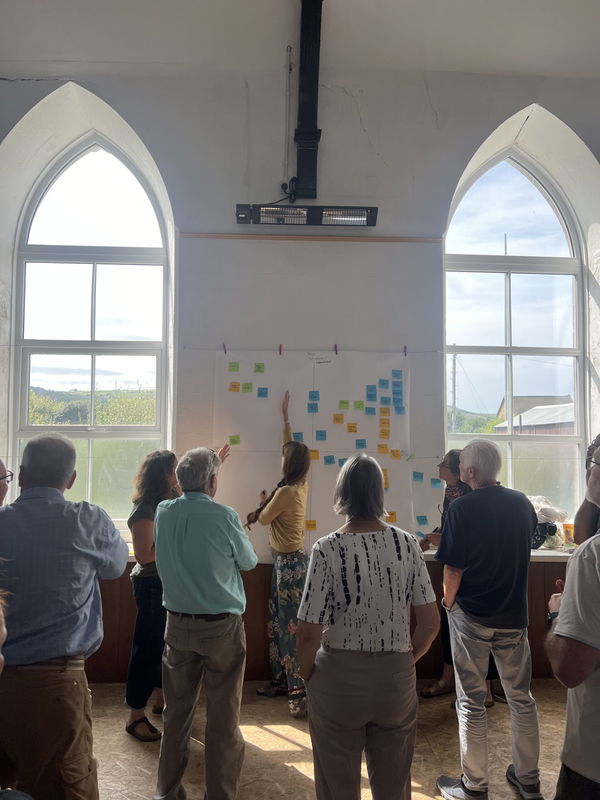
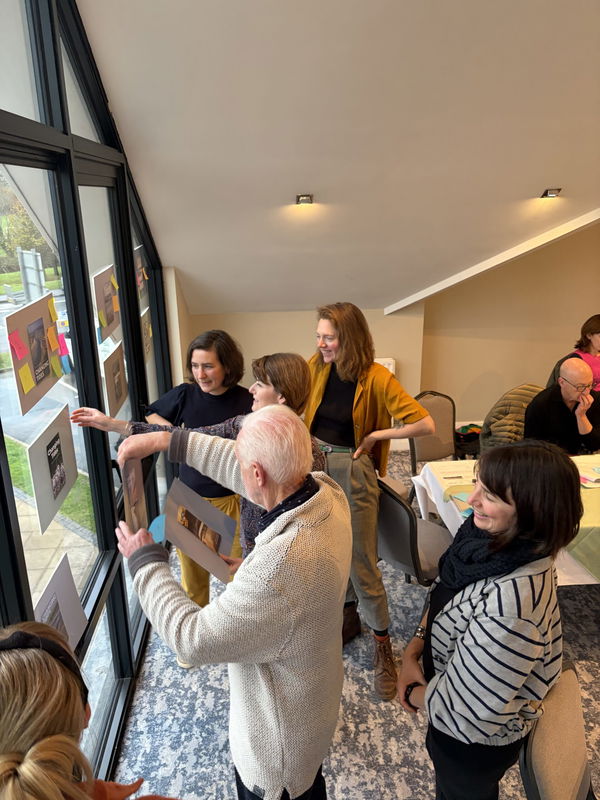
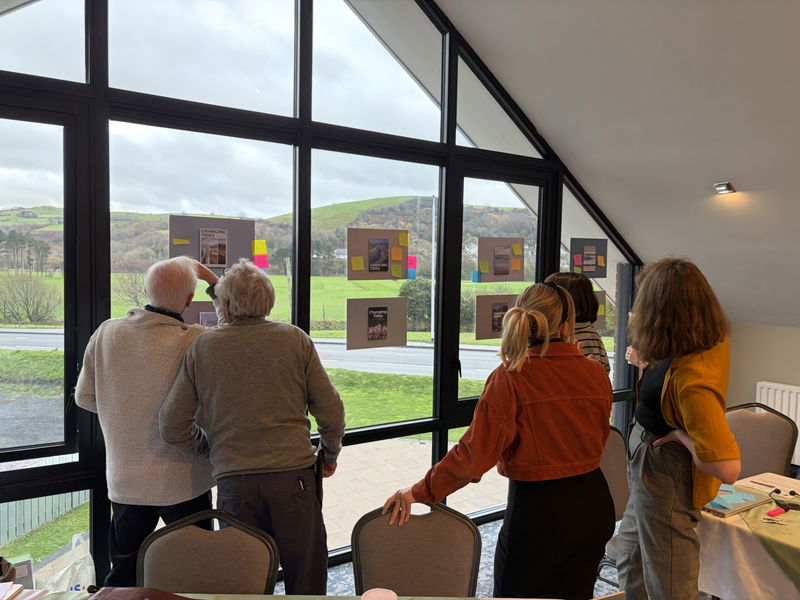
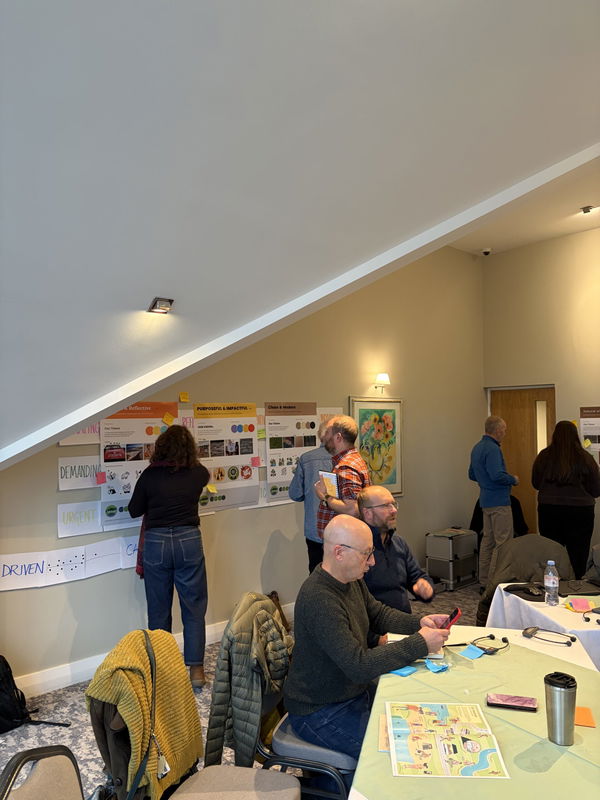
Over the course of ten co-design workshops, we met in spaces ranging from Aberystwyth University to small community halls across the estuary.
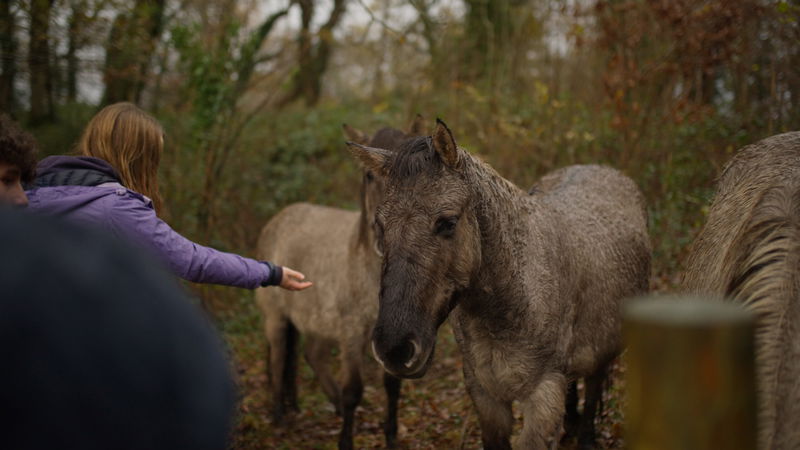
What made these sessions special was the diversity of voices in the room: Farmers. Teachers. Scientists. Artists. Residents. Business owners. People who experience the landscape in very different ways, but who all care deeply about its future.
One of the most striking things was how open everyone was to learning from each other. As the workshops progressed, perspectives shifted. Ideas evolved. People began to see the coastline through different lenses. Gradually, a shared understanding began to emerge.
What the Dyfi taught us
For me personally, this project has been a humbling one. Living in South Wales, I’m aware of flooding and climate change. But spending time around the Dyfi really brings home the reality of what communities there are dealing with. Storms, rising tides and flooded land aren’t occasional events. They’re part of life.
What struck me most was the resilience of the people we met. Year after year, they adapt, respond and keep going. There’s a quiet determination there that leaves an impression.
Where creativity and community meet
Another thing that stayed with us was the area’s creativity.
The Dyfi estuary is full of people with fascinating perspectives on the landscape around them, from poets and artists to historians and storytellers.
That creativity played an important role in the project. It helped translate complex ideas about coastal science, policy and adaptation into something people could understand and shape together.
In many ways, it reflects the character of the place itself. The landscape influences the people who live there, and those people continue to shape how the landscape is understood.
Turning conversations into something meaningful
The discussions, knowledge and lived experiences shared during the workshops have now been brought together in two key resources.
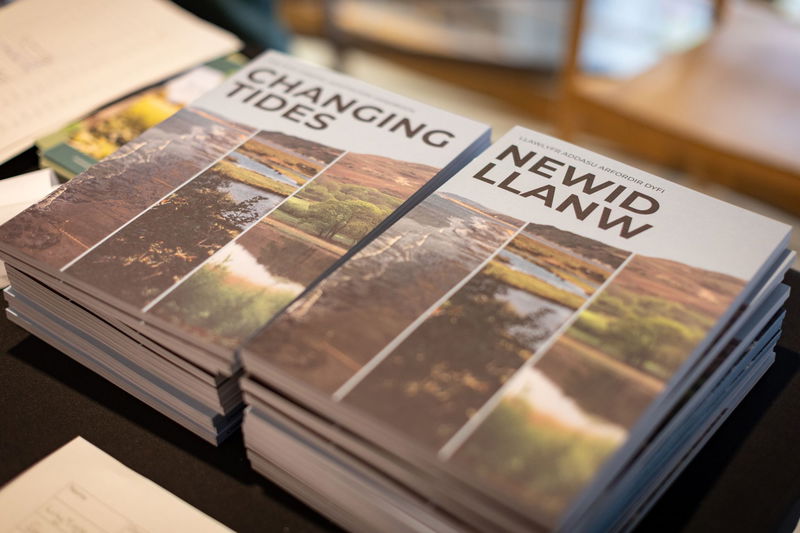
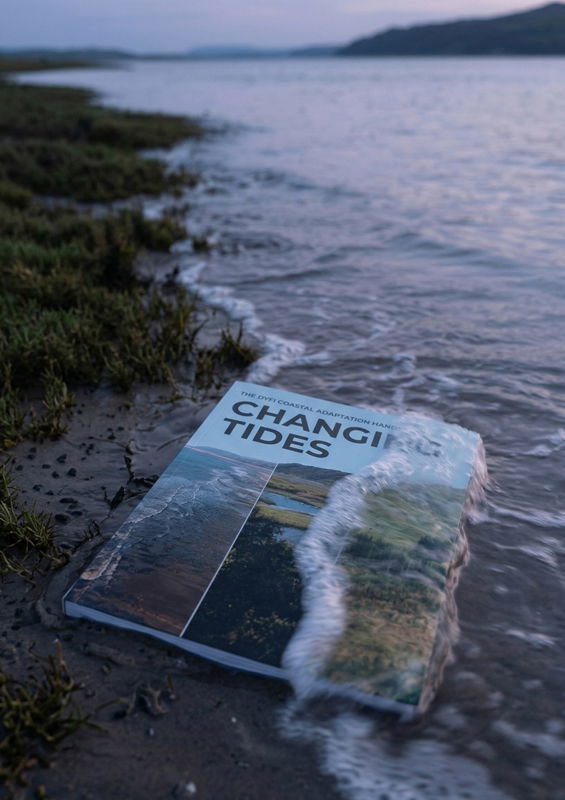
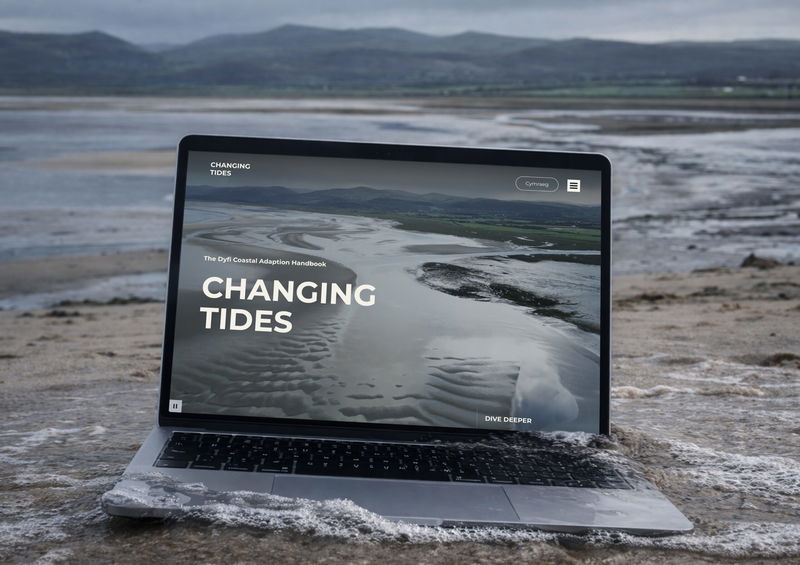
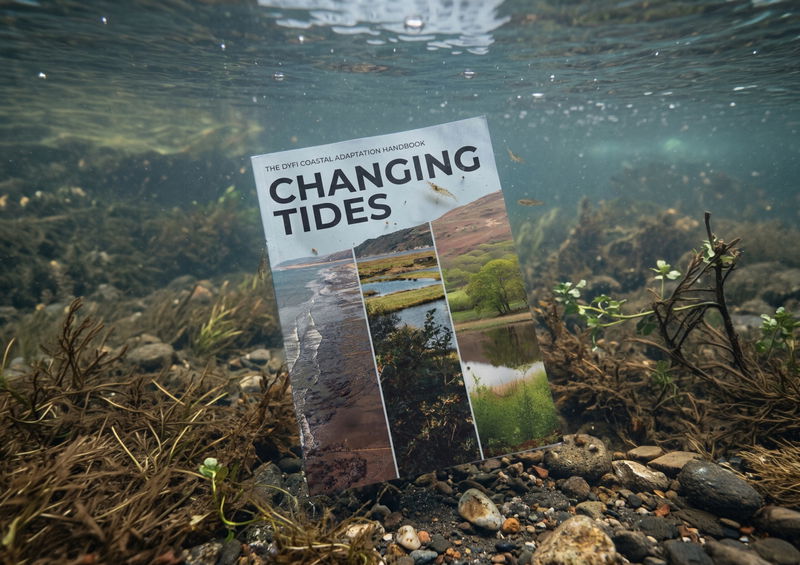
The first is a printed handbook designed to help communities, landowners and organisations understand coastal change and explore ways to adapt. The second is a dedicated microsite that makes the research, insights and recommendations accessible to a wider audience.
Together, they combine scientific research, local knowledge and policy context into a practical guide for communities navigating the challenges ahead.
A lot of the thinking in the handbook focuses on working with natural processes rather than against them. Salt marshes, dunes and peatlands can absorb water, reduce wave energy and store carbon. Restoring and protecting these habitats can strengthen the resilience of both the landscape and the communities living within it.
Nature is often one of the best forms of infrastructure.
What we’ve learnt from the Dyfi
Changing Tides has been led by Tir Canol in partnership with RSPB, with contributions from researchers, artists and communities across the Dyfi estuary.
For our team at Everglow, it’s been a privilege to support the project by translating these conversations into a handbook and a digital platform.
But more importantly, it’s been an opportunity to listen. To hear the stories of people who live and work in this landscape every day. And to understand how knowledge, creativity and collaboration can help communities prepare for the future.
As the handbook itself puts it, shared knowledge is a form of resilience.
The Dyfi coastline will continue to change. But if the past 18 months have shown us anything, it’s that the communities around it have the imagination, determination and openness needed to face that future together.
If you’d like to explore the project in more detail, visit the Changing Tides microsite or follow Tir Canol on Facebook and Instagram.